A Car for a Startup or Small Business: Rental vs. Operating Lease
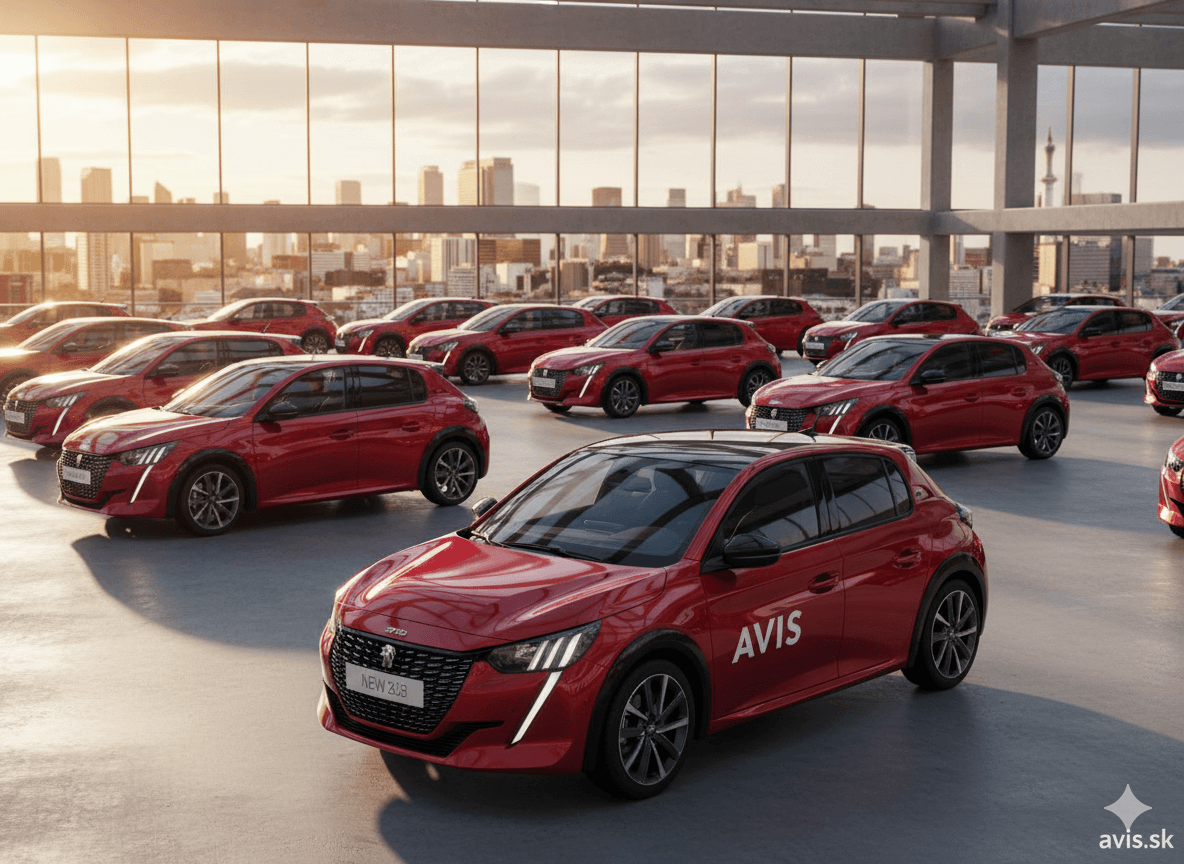
Do you need a reliable car for your startup or small business, but don’t want to tie up capital or risk unforeseen costs? Choosing between short-term rental, flexible medium-term rental, and operating leases is one of the key financial decisions for young companies. This article provides an expert yet easy-to-understand comparison of these solutions, real-world data from Slovakia and the EU, and recommendations for entrepreneurs seeking efficient and cost-effective mobility. The article is based on information from AVIS Slovakia, international analyses (Statista, Deloitte, Leaseurope, Auto Finance Journal), and mobility trends for 2025.
Renting or Leasing? Why This Is a Strategic Decision for a Startup
When do startups address mobility?
- Delivery of products or services,
- business meetings,
- project activities (IT, marketing, development),
- short-term periods of increased demand,
- team expansion,
- using a car instead of investing in one.
According to the European association Leaseurope (2024), up to 63% of small businesses prefer flexible mobility solutions that do not strain cash flow. We see the same trend in Slovakia—startups are choosing flexibility over long-term commitments.
Comparison of Options: Rental vs. Operating Lease
1. Short-term rental (1–29 days)
Suitable for: Start-up companies that need a car only occasionally or for one-time events.
Advantages:
• no long-term commitment,
• no capital or upfront fees,
• fastest availability (vehicle within 30–60 minutes),
• full service, insurance, and roadside assistance,
• option to change vehicle categories as needed.
Disadvantages: higher unit price for long-term use.
Actual prices (AVIS Slovakia, November 2025):
• small cars starting at 39 €/day,
• mid-size cars 55–75 €/day,
• SUVs starting at 79 €/day,
• commercial vehicles: €65–110/day (depending on size).
2. Medium-term rental (1–12 months)
Suitable for: startups that need flexibility without the commitment of a lease.
This type of rental is currently the fastest-growing segment of the mobility market in the EU.
Benefits:
• No long-term commitment and no penalties for early return,
• significantly lower price than short-term rentals,
• full operational support (tires, maintenance, insurance),
• ideal for project staff or non-repayable grants.
AVIS MaxiRent Prices (2025):
• small car starting at €399/month,
• compact class starting at €499/month,
• low-emission SUVs from 599–699 €/month,
• vans from €699–999/month.
2025 Trend: According to the Deloitte Mobility Study, flexible rentals among businesses increased by 22% year-over-year.
3. Operating Lease (3–5 years)
Suitable for: established companies with long-term planning.
Advantages:
• Stable monthly payment,
• full service, insurance, tire service,
• cost-effective for long-term use.
Disadvantages:
• 36–60-month commitment,
• Contractual penalties for early termination,
• The company cannot grow too quickly—changing the type of car is complicated,
• requires good creditworthiness.
Actual leasing prices (SK 2025):
• small car : 230–290 €/month,
• lower-middle class : 300–410 €/month,
• SUV : €480–650/month,
• vans : 480–780 €/month.
A Direct Comparison: Rental vs. Leasing
| Solution | Cash Flow | Initial Costs | Flexibility | Service | Total Commitment |
| Short-term rental | Most flexible | 0 € | 10/10 | Full | 0 days |
| Medium-term rental | Very good | 0 € | 9/10 | Full | 30 days |
| Long-term rental | Stable | 0–20% | 3/10 | Full | 36–60 months |
How to Decide? Criteria for Startups

1. Planning Horizon
• Up to 6 months: clear choice—medium-term lease,
• 6–24 months: lease or hybrid model,
• 3–5 years: operating lease.
2. Number of employees
• 1–5 people → rental,
• 5–20 people → a mix of rental and leasing,
• more than 20 people → lease with reserve capacity provided through rental.
3. Financial health of the startup
The biggest advantage of rental is that it does not burden the balance sheet and does not reduce the company’s ability to raise investment. According to EY (2024), investors prefer startups without long-term commitments.
Specific Real-World Examples
Example 1 – IT startup (6 people)
• Mobility need: 3 months of intensive client visits,
• Solution: MaxiRent SUV for 3 months,
• Cost: approx . 599 €/month, all-inclusive.
Example 2 – Expanding e-commerce store
• Need: Temporary delivery capacity during the season,
• Solution: Citroën Jumper L2H2 for 2 months,
• Cost: €899–999/month.
Example 3 – Consulting Startup
• Solution: 1 leased vehicle + 1 rented vehicle on a project-by-project basis.
Mobility Trends 2025–2030
• 18–25% annual growth in rentals (source: Statista Mobility Outlook 2025),
• Acceleration of business growth → rising demand for flexible solutions,
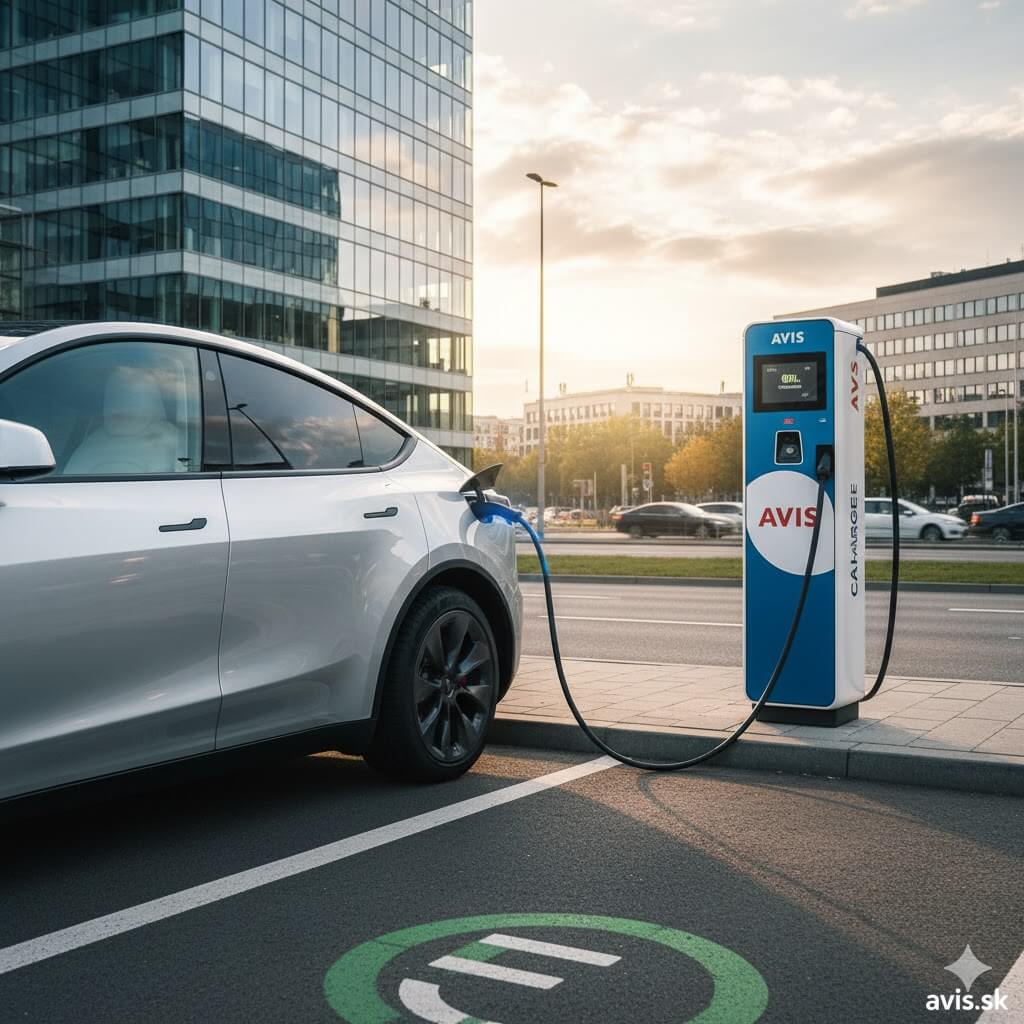
• Electric vehicle rentals are growing by 31% year-over-year, particularly for short-term use,
• Startups prefer “mobility-as-a-service” over ownership.
Frequently Asked Questions (FAQ)
Is car rental tax-deductible for a startup?
Yes, a monthly lease is a fully tax-deductible expense, including VAT, under the Income Tax Act.
Is leasing worth it if I don’t know how the company will grow?
Generally, no. Leasing is suitable for stable companies with predictable needs.
Can I lease a car for as little as 1 month?
Yes—medium-term rentals (AVIS MaxiRent) start as short as 1 month.
Is renting more expensive than leasing?
On a monthly basis, yes, but in terms of flexibility and the absence of penalties, it’s often cheaper in the long run.
Does AVIS also provide cars for startups with no credit history?
Yes—renting does not require a credit check or financial history.
• Startups need flexibility → leasing is the ideal choice.
• Leasing is only advantageous for stable, long-term use.
• Renting does not burden cash flow or the balance sheet.
• A medium-term rental offers the optimal balance of price and flexibility.
• The mobility trend is moving toward solutions without long-term commitments.
Conclusion
For a startup or small business, a car is an important part of growth. Choosing the right solution can determine whether the company maintains financial flexibility and the ability to respond quickly to opportunities.
If you’d like to get a no-obligation quote or advice on choosing a vehicle:
👉 visit avis.sk or contact the AVIS sales team.
