IF YOU'RE THINKING ABOUT BUYING A CAR, BE ON THE LOOKOUT

The auto market is changing rapidly. Shortages of chips and wiring harnesses, as well as limited access to raw materials, are driving up the cost of buying a vehicle and changing the rules of the game for everyone.
Car prices have risen by as much as 50%
We’re all familiar with the word “inflation” these days, because it affects us deeply in every way. We see prices rising practically every day on everyday necessities like food and energy. When it comes to durable goods—such as an apartment or a car—we usually don’t notice the price increase until we actually need to buy an apartment, a house, or a car. These aren’t things we buy or sell every day. Anyone who hasn’t been actively looking for a car over the past two years is now left speechless by just how drastically prices have risen. Let’s take a look at why prices for some car models have risen by as much as 50% and what options we have to use this increase to our advantage.
Customers are receiving virtually no discounts on cars

Since the start of the COVID-19 pandemic-19 pandemic, car manufacturers have limited production due to disruptions in supply chains, caused primarily by the implementation and easing of lockdowns and other measures, which led to significant delays in car deliveries. The longer the pandemic lasted, the more pronounced the vehicle delivery problem became.
Due to higher demand relative to supply, automakers began raising car prices, and even their discount policies were affected by these adjustments. Car prices began to rise by tens of percent, leading many people to postpone the purchase of a new vehicle. Car manufacturers had to adjust production capacity based on the availability of materials, which further reduced output. As a result, although demand for new cars dropped significantly, it remained higher than the available supply. Delivery times for some models thus stretched to more than 12 months. With the end of the pandemic in sight, everyone expected the situation to return to normal. However, that did not happen.
Material Shortages
In February 2022, war broke out in Ukraine. Car manufacturers had not yet recovered from the chip crisis caused by the pandemic and now face a new challenge in the form of shortages of wiring harnesses and sheet metal. Ukraine is, in fact, a key supplier of wiring harnesses to all major car manufacturers in Europe. Production is currently continuing on a limited basis, but capacity has been significantly reduced, and available inventory is dwindling by the day as supply chains become increasingly complicated. This is one reason why some automakers are already halting production, as they are unable to complete the cars they have manufactured. On the other hand, Russia is a major supplier of iron ore, which was processed in Ukraine into sheet metal that was subsequently used to manufacture vehicle bodies.
Automakers are suspending production
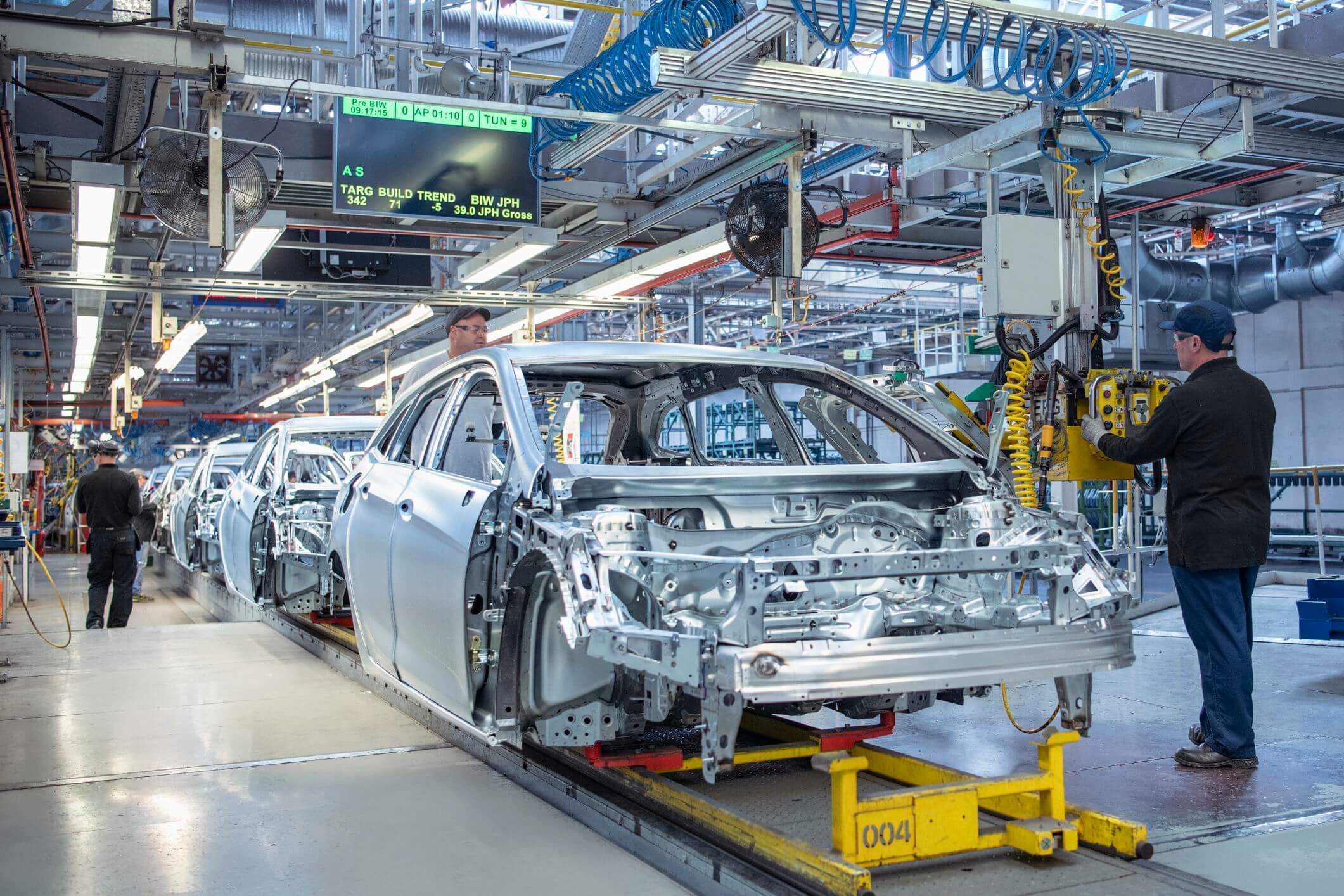
Thisalso applies, for example, tothe Volkswagen plant in Bratislava, which has been forced to scale back production on several occasions and is generally preparing for a reduction in the number of vehicles produced. This is because wiring harnesses are required directly as part of the vehicle manufacturing process and cannot be retrofitted later during vehicle assembly, as was the case with some optional equipment due to the chip shortage.
A new surge in COVID cases in China is not helping the situation
Another factor strongly driving up car prices is the strict lockdown in China, where the Omicron variant of COVID-19 has caused several months of shutdowns in major industrial areas. China’s zero-tolerance policy in the fight against COVID has thus put evengreater pressure on our wallets. The result of all this is an extreme increase in vehicle prices, a reduction in model lineups, and a shift by automakers toward the production of electric and hybrid vehicles. Most traditional automakers were already prepared for vehicle electrification before the pandemic, but the pandemic has accelerated this transformation even further , and a race has begun among automakers to see who will be the first to dethrone Tesla, the world’s largest electric vehicle manufacturer.
CarsAre Becoming a Luxury
This shortage is seriously affecting production capacity across Europe, thereby putting even greater pressure on the production cost of the vehicle itself. As a result, cars are becoming luxury goods inaccessible to the masses. The situation is starting to resemble what we remember from before the year 2000, even in our part of the world.
Automakers Are Changing Their Strategy
The pandemic has shown us that the just-in-time production and supply process appears to be ineffective in the event of supply chain disruptions, so automakers will have to come up with a solution for keeping raw materials and parts in stock as soon as possible. However, this will significantly increase production costs. An even more pronounced impact on car prices themselves is likely to occur during the summer and fall months of this year. Car manufacturers are also focusing on how to open production plants for various components directly in Europe as quickly as possible in order to reduce their dependence, particularly on suppliers from Asia, and thus become more self-sufficient.

Prices for used vehicles are rising rapidly
Over the past year, we’ve seen a sharp increase in prices even for used cars. Those of us who bought a car 2–3 years ago can easily sell it for the price we paid, if not even more. It’s a paradox, because a car is a consumer good and wears out significantly with use. However, pent-up demand—which grew during the pandemic—is now driving car prices up, especially when considering the other factors we mentioned above. If you’re considering buying a used car even in this situation, “What should you watch out for?” becomes a key question to avoid unnecessary risks and a bad investment.
So how can you get a car without overpaying?
A solution to this situation for both individuals and businesses may be car leasing, where the hassle of acquiring a vehicle and all operational aspects fall on the service provider. Whether it’s short-term, medium-term or an operating lease, it can be the ideal solution in today’s truly uncertain and economically unsustainable situation facing the automotive market. It’s important to know your options, so we recommend taking the time to browse through what’s available online.
Interest rates are rising, and leasing is becoming more expensive
With rising interest rates at banks and increases in virtually all upfront costs associated with vehicle use, it is highly likely that the cost of rentals, leases, and operating leases will also rise rapidly. Therefore, we recommend ordering a vehicle as soon as possible. The cost of money—that is, interest—is one of the key components of the cost of owning a car. Since money is and will continue to be more expensive, car ownership will become even less affordable. But how can you navigate the market, and is it even possible to find vehicles when there’s a 12+ month wait?
How do you choose when cars are in short supply?
Today, you’ll find a multitude of car rental providers or operational leasing providers. Customer priorities are changing today. The most important factors in choosing a car today are its availability and price. Customers hardly have any choice left if they want to specify their desired vehicle features. This is because specific options are limited, and the more detailed the configuration, the longer the customer will have to wait for the car—possibly even a year or a year and a half. Therefore, it’s best to choose a vehicle from current inventory based on actual availability. If you can sign the contract online so you don’t have to go anywhere, that’s just another benefit that many of us quickly got used to during the pandemic. This way, you can compare what’s important to you from the comfort of your home or workplace. Availability, price, or vehicle features.
How does the online car ordering processwork ?
The entire car ordering process takes place online. The customer selects the vehicle that best suits their needs from the available options—whether in terms of size, price, engine, or features. When choosing a smaller car for everyday driving, the Peugeot 208 AT, for example, may be a good option. However, the customer should consider in advance whether they need the car only for a short time or will be using it for a longer period. Just as with apartment rentals, for example, the longer the lease term, the more favorable the price is for the customer. If the customer is able to sign a contract with a specific commitment period—whether for 6, 12, or 36 months—they’ll receive even better terms. So, once you’ve decided on the ideal rental period for your vehicle, you’ll choose one of the predefined monthly mileage limits and the contract term itself. The most important thing, therefore, is to consider what you’ll be using the vehicle for. Whether it’s a small car, a large car, a limousine, or an SUV—with a smaller or larger trunk, a van, and so on.
Once I know what kind of car I want, what’s the next step?
In the next step, the customer fills out their personal or business information and automatically receives a price quote via email, along with information on whether a security deposit is required for the vehicle. For business customers, the security deposit is determined by an algorithm after evaluating the applicant’s financial metrics. Since the value of a vehicle typically starts at €20,000 and can easily reach €100,000 for luxury cars, it is important—just as a bank does when issuing a mortgage— to assess the client’s creditworthiness when leasing a car. The algorithm therefore primarily takes into account the client’s outstanding liabilities, checks entries in the debt enforcement registry, and also verifies whether any insolvency proceedings are pending against the client. For individuals, it is necessary to provide, for example, a bank statement or an employment contract.
Do I have to worry about anything?
As part of operating lease services—a modern alternative to purchasing a vehicle—the customer is guaranteed worry-free use of the vehicle. The monthly lease payment includes services such as mandatory contractual insurance, collision insurance, a highway toll sticker, roadside assistance, and—in the case of a more comprehensive service package—seasonal tire changes and routine maintenance.
The advantages of operating leases over a standard vehicle purchase include, among other things:
- payment of one month’s lease payment with services included
- remote contract signing and digital vehicle pickup/drop-off
- 100% tax-deductible expense in the form of lease payments without burdening the company’s balance sheet
- professional and comprehensive service
- 24/7 support for drivers
In the past, operating leases were primarily a service for business owners. They were a form of effective fleet optimization. Today, however, operating leases appeal not only to business owners but also to individuals—that is, ordinary people. Operating leases are therefore popular among customers who want to focus on what matters most to them and leave the care and worries about cars to the professionals. The service is tailored to anyone’s needs.“Whether you’re looking for a vehicle for your business, for yourself, or for your family; whether you’re a self-employed individual in need of a vehicle essential to your business; or whether you need to manage a fleet for your entire company— Operational leasing will save you a lot of time, effort, and money,” said Juraj Šulhaň, CEO of AVIS.
See which vehicles you can order online and have at your disposal.
Contact
If you are interested in our offer or would like to learn more about our services, please contact us by phone at +421 900 200 200 ( this line is charged at €0.60/minute, including VAT), or send us an email at info@avis.sk.
To make a reservation, click here:
